Metal Braces
Orthodontic planning with metal braces, aligner and ceramic alternatives, oral hygiene and retention after treatment.

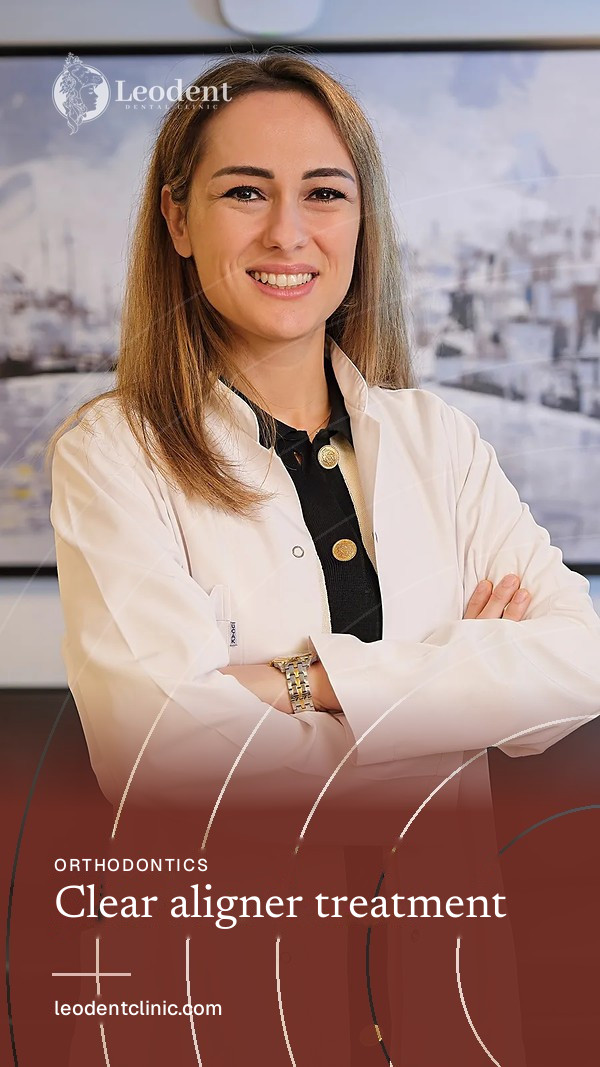
▶ Clear Aligner Treatment, Dr. Dt. Ayşegül Ural Özay, ATV Haber
{ AI, preliminary guidance }
onlineLet's talk about orthodontics

AI responses do not replace a medical diagnosis.
Short videos on this topic
All videos →Short explanations on this topic from the clinic's YouTube channel. 14 videos in total.


Metal braces use brackets fixed to the teeth and an archwire to move them. They may be considered for crowding, spacing and bite problems. Assessment considers how the teeth and jaws relate to each other, as well as appearance.
Metal braces use brackets fixed to the teeth and an archwire to move them. They may be considered for crowding, spacing and bite problems. Assessment considers how the teeth and jaws relate to each other, as well as appearance.
What is assessed before treatment?
Gum health, decay, roots and jaw relationships are assessed. Oral hygiene needs to be adequate before treatment. If extractions or additional appliances are proposed, their reasons and alternatives should be explained; extractions are not required in every case.
How is treatment planned?
After placement, wires and any prescribed elastics are adjusted for the planned movements. Reviews monitor progress and hygiene. Contact the orthodontic team for a broken bracket or irritating wire instead of attempting to cut or glue the appliance yourself.
Alternatives and limitations
Ceramic braces, lingual braces or clear aligners may be alternatives. A fixed appliance does not make treatment independent of patient participation. Elastic wear, diet, cleaning and attendance still influence progress.
Risks and follow-up
Tenderness and soft-tissue irritation can occur. Poor cleaning can contribute to enamel changes, decay and gum problems. Root changes and movement after treatment are among the risks discussed. Retainers and reviews form part of the plan after active treatment.
Related treatment information
Questions for the consultation
Discuss why the procedure is being considered, the alternatives, the follow-up needed and your individual risks. Bring information about medicines and previous dental treatment. The contact page provides details for arranging an assessment.
This page provides general information, not a diagnosis or an individual treatment recommendation. Outcomes and recovery vary between patients.
Source and further reading
Frequently Asked Questions
How long does treatment with braces take?
Treatment with braces usually takes 1-3 years. The required tooth movements, the bite and regular attendance at reviews set the length; your own timeline is given in the treatment plan after examination.
Can adults have metal braces?
Tooth and supporting-tissue health matter more than age alone. Suitability for adults is assessed clinically.
Is ordinary brushing enough with braces?
Cleaning around brackets and between teeth needs specific instruction and review.
Is treatment finished when braces are removed?
Retention and follow-up are needed to help maintain the positions. The wear schedule is individualised.
Treatments often evaluated together
-
Clear Aligner Treatment
Clear aligner suitability, daily wear, differences from fixed braces and retention after orthodontic treatment.
-
Smile Design: Options and Treatment Planning
Smile design starts with oral health and individual goals: orthodontic and restorative options, tissue preservation, risks and maintenance.
Book an Appointment
Your information reaches Leodent Dental Clinic. A response is made within 24 hours.